
TNR stands for Trap Neuter Return. This is the central mission of Cats Alive and is the best way to help community cats. It ensures they get to live full and healthy lives (outside, with their buddies, in their territory) while helping neighborhood relations with reduced kittens, fighting, spraying, and yowling.
Why do we do TNR over euthanasia/removal? There have been rigorous studies showing that TNR is not only the most humane solution to street cat overpopulation, but it is also the most effective. Areas that have undergone a thorough TNR treatment actually reduce their cat populations near twice as fast as areas that practice only removal (whether that removal is relocation or euthanasia of the cats). This is because an occupying population of infertile cats ensures that fertile cats do not move into the area and simply resume breeding. With treated cats in place, there is time to treat adjacent breeding groups before they move into unoccupied areas and breed to fill up that space.
Trap Instructions
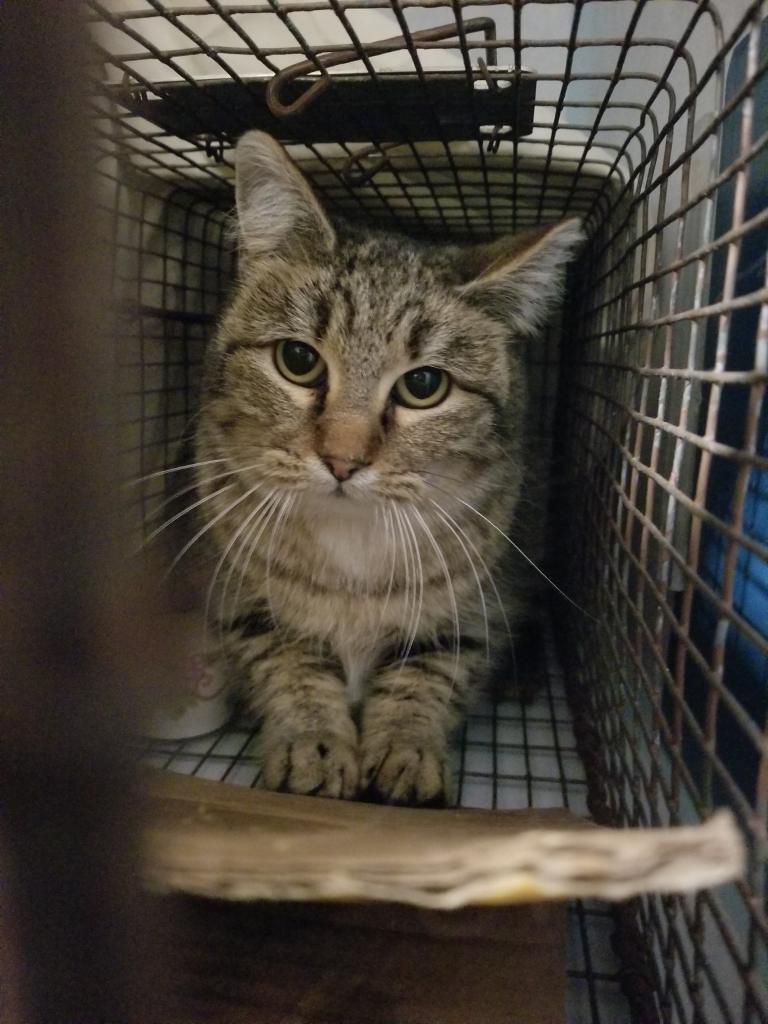
There are many brands of traps, and many methods of enticing cats into them. Our most favored trap is the TruCatch because of the sure–but gentle–closure of the trap and its excellent durability. Tomahawk traps are also very effective and durable (note: Cats Alive does not receive affiliate payments for referrals to TruCatch and Tomahawk).
However, in the right circumstances, even an old box will work. Have a look at our Trapping page for more details, but do not be afraid to get creative to suit the cats, the place, and the people you are working with. There is no universal answer, and there are many great resources online and perhaps among your own circle to help you succeed. Overall, make sure you have working traps, scheduled surgery, and the cooperation of the caretaker and neighbors before you trap the cats. Cats learn, so you may get only one shot at them!
Prep for Surgery
Adult cats should have no food for 12 hours before their surgery (water is always okay). Kittens must be least 2 pounds and 8 weeks old; they should not go so long without food, but give them only small portions, a tablespoon at night and again in the morning. It’s better for them to be hungry than to aspirate during surgery, so don’t give kittens full meals.
Post-surgical Recovery
After surgery, offer food and water as soon as they’re able to stand. They will be disoriented and some will panic as they wake. It’s important not to let them run while they are still disoriented, or they may become lost, injure themselves, or even tear stitches out. Occasionally, cats can experience drug side-effects–speak with your clinic as you pick up the cats to be sure you know what to look for and how to respond.
Release
Once your trapped cats are recovered and ready for release (usually the morning after surgery), take them back to the location they were originally trapped and open the trap facing an area they will recognize easily, like the tree they snooze under during the day or a path they use to get to their feeding area.
Follow-up
It is important to fix at least 80% of the cats in a colony to be adequate, but 100% is far more effective. Return repeatedly, upping your trapping game, until you get the last of the cats. If you live in the area or know the caretaker, check in periodically to see if new fertile cats are moving in. In order to keep breeding from resuming, you should TNR the new arrivals as well as identify adjacent colonies to work on. Recruit other trappers to help you, if at all possible.
Detail oriented? Get our detail overload pdf version
and email us if you have questions!
 Cats Alive! SLV